

Difference Between Frozen and Deep-Frozen: Let’s Clarify
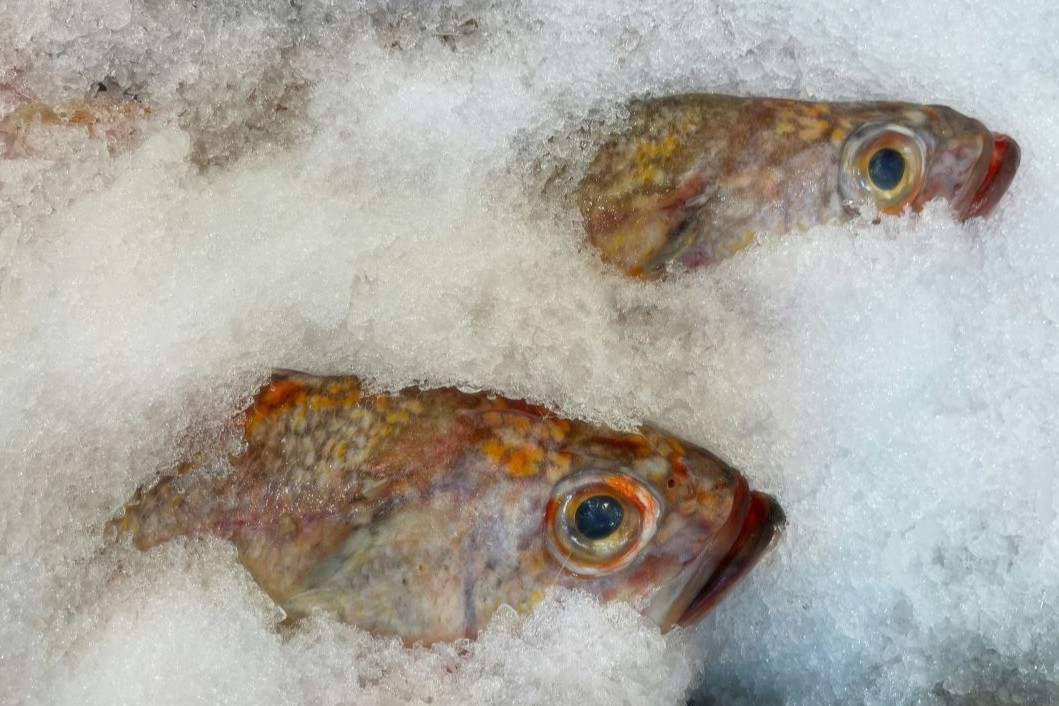
Frozen or Deep-Frozen? Let’s get things straight
In the world of gastronomy and quality food, words matter. Often used as synonyms, the terms frozen and deep-frozen indicate two very different processes, with different impacts on the taste, texture and nutritional value of foods.
We at Ammaruni , always attentive to the supply chain and quality, want to clarify this distinction, fundamental for those who love to eat well and consciously.
Frozen: the slow cold
Freezing is a home or artisanal method of preservation. It is usually done in the home freezer, where the food is brought to temperatures below 0°C, generally around -18°C, but with slow cooling . This causes the formation of relatively large ice crystals, which can damage the cellular structure of the food.
Result?
When defrosting, you may notice a loss of liquid, a less compact consistency and sometimes a slight alteration of the original flavor. This is a useful method, but not ideal for all foods, especially if you want to maintain the integrity of the product.
Deep-Frozen: the instant cold
Freezing , on the other hand, is an industrial process regulated by law. It is carried out by bringing the food to a temperature of at least -18°C in a very short time , thanks to professional machinery. This rapid thermal reduction causes the formation of very small ice crystals, which do not damage the cells of the food .
Why is it better?
Freezing keeps the organoleptic and nutritional characteristics of foods almost intact: flavor, consistency, color and vitamins remain unchanged. For this reason it is also used to preserve freshly caught fish, vegetables harvested at full ripeness and high-quality ready meals.
Deep-Frozen ≠ Poor quality
It’s time to dispel a myth: frozen food is not second-rate . In fact, it can be a guarantee of freshness, especially when the alternative is a “fresh” product that has been traveling for days. The real difference lies in the quality of the food before freezing and the care with which it is treated.
At Ammaruni , when we choose the ingredients, we always look at the supply chain and respect for the product. A well-made frozen product is a precious ally for those who do not give up goodness, even out of season.
How to recognize a good deep-frozen food?
-
Read the label: the fewer ingredients, the better.
-
Check the integrity of the package.
-
Never refreeze a product once it has been thawed.
In summary
| I wait | Frozen | Deep-Frozen |
|---|---|---|
| Method | Slow (home freezer) | Fast (industrial) |
| Temperature | Around -18°C | At least -18°C |
| Crystals | Large, they damage food | Small, they maintain the structure |
| Quality | Good, but variable | High, if the product is valid |
| Conservation | Short-medium term | Medium-long term |
The choice between frozen and deep-frozen is not just a matter of cold, but of awareness. And at Ammaruni, where every ingredient tells a story, knowing what ends up on the plate is the first step to cooking with love.
To receive the detailed technical sheet, certifications or samples, contact us on www.ammaruni.com or write to info@uenosrl.com